Private jet Denver options
Private jet Denver planning starts with elevation, not price. Denver International Airport stands at 5,431 ft with a 16,000 ft runway. Summer heat and metro ground traffic change what makes sense.
- KDEN · DENairport codes
- 5,431 ftairport elevation
- 16,000 ftmax strip length
- 18 mito Downtown Denver
A private jet Denver trip almost always starts with one question: which airport. Denver International is the big public field east of the city, and it handles the commercial volume you would expect. Charter operators use it, but they also lean on three reliever fields around the metro. Each one trades something away. Centennial is south, Rocky Mountain Metropolitan is northwest toward Broomfield, and Buckley Space Force Base sits east in Aurora with military operations that affect civilian access. Denver International sits at 5,431 ft, and that elevation changes takeoff and landing planning on every leg. Thin air means wings and engines produce less lift and thrust on a given runway, so operators compute performance for the day rather than for the airport in general. On a mild January morning the density altitude reads closer to 5,500 ft. In July it climbs to 8,700 ft, and on a 115F afternoon it can reach 9,200 ft. Those are real numbers a dispatcher works with, not trivia.
Cost follows the aircraft and the mission, not the airport address. A light jet for a short regional leg prices differently than a midsize cabin heading to the coasts, and a heavy jet for a transcontinental run prices differently again. Quotes are estimates built from the operator's rate, fuel, crew and fees, and they move with notice, the day of week and how empty the aircraft is on the return leg. A charter a private jet quote for Denver should separate the base rate from deicing, crew overnight and international fees. Ask for the total, then ask what sits outside it.
We are a broker, so the flight itself is flown by an FAA Part 135 operator that holds operational control. We arrange, compare and vet, and we act as your agent under DOT Part 295 rules for air charter brokers. That distinction matters when a schedule slips: the operator answers for the flight, and we answer for making sure you knew what you were buying before you signed. When a mountain town is on the itinerary, then aircraft choice and runway limits get decided together with the Denver departure numbers.
Runways and aircraft performance at KDEN
Denver International's longest runway runs 16,000 ft, which gives big cabins room even in July heat. The field carries multiple parallel runways, so departures and arrivals can run at the same time when weather allows. Long concrete does not erase high terrain, though. Westbound departures toward the Front Range climb into rising ground, and operators flying to mountain towns often file routes that gain altitude over specific corridors. If your destination is Aspen, Vail, Telluride or Steamboat, then the aircraft type may be limited by climb performance and by the runway at the far end, not by anything in Denver. When winter storms roll in, then deicing queues and runway closures become the schedule risk, and a morning departure beats an afternoon one more often than not.
| Runway | Length | Width | Surface |
|---|---|---|---|
| 16R/34L | 16,000 ft | 200 ft | Concrete |
| 07/25 | 12,000 ft | 150 ft | Concrete |
| 08/26 | 12,000 ft | 150 ft | Concrete |
| 16L/34R | 12,000 ft | 150 ft | Concrete |
| 17L/35R | 12,000 ft | 150 ft | Concrete |
| 17R/35L | 12,000 ft | 150 ft | Concrete |
FBOs and ground handling around Denver
The metro's reliever fields each host at least two FBOs, which gives you real choices on the ground. Rocky Mountain Metropolitan lists Signature Aviation, Sheltair and Signature Aviation North. Centennial lists jetCenters of Colorado, Modern Aviation and Signature Aviation North. Denver International itself shows no FBOs in our reference data, so many charter passengers who want a quiet lobby and a short walk to the car end up at Centennial or Rocky Mountain instead.
Ground service shapes the trip more than people expect. If you are flying international, then CBP clearance needs to be arranged at a port that handles it, and not every field does. If you travel with skis or golf bags, then confirm the aircraft's baggage volume before you commit, because a light jet's hold fills fast with four people and hard cases. Ask where the aircraft parks, how far the terminal is, and whether the operator's own crew handles the ramp or a third party does.
What Denver charter works well for
- Ski trips to the Front Range and mountain resorts, where a midsize cabin and an early departure beat road traffic on I-70
- Business travel to the coasts, with Centennial or Rocky Mountain often faster door to door than the main field
- Groups flying to Phoenix, Dallas, Austin or Miami, where a heavy jet removes the connection and the baggage math
- International legs that need CBP clearance arranged in advance at a port that handles it
| Class | Typical runway need | Here |
|---|---|---|
| Turboprop | 3,300 ft+ | OK |
| Light jet | 4,000 ft+ | OK |
| Midsize jet | 5,000 ft+ | OK |
| Super-midsize jet | 5,200 ft+ | OK |
| Heavy jet | 5,600 ft+ | OK |
Heat, density altitude and the seasons
July density altitude at Denver International averages 8,700 ft and can peak near 9,200 ft on a hot afternoon. January and December sit around 5,500 ft, so the same aircraft that leaves comfortably in winter may face a payload or fuel restriction in midsummer. That is why a quote for the same route can differ between March and August.
If you are flying a light jet on a hot July afternoon, then plan on fewer passengers or a fuel stop. Midsize and heavy aircraft handle the conditions better, but every operator still runs the numbers. Spring and fall are the friendly windows: April reads about 6,900 ft and October about 7,200 ft. Summer also brings afternoon thunderstorms, so earlier departures usually mean fewer delays. Our reference month for peak heat, at 115F, puts density altitude at 9,200 ft at KDEN.
| Month | Avg high | Wet days | DA |
|---|---|---|---|
| Jan | 41°F | 5 | 5,500 ft |
| Feb | 43°F | 6 | 5,700 ft |
| Mar | 52°F | 8 | 6,300 ft |
| Apr | 61°F | 8 | 6,900 ft |
| May | 68°F | 12 | 7,300 ft |
| Jun | 83°F | 7 | 8,300 ft |
| Jul | 88°F | 7 | 8,700 ft |
| Aug | 87°F | 7 | 8,600 ft |
| Sep | 82°F | 4 | 8,300 ft |
| Oct | 66°F | 5 | 7,200 ft |
| Nov | 52°F | 5 | 6,300 ft |
| Dec | 44°F | 4 | 5,700 ft |
Getting to the airport and into the city
Denver International lies east of downtown, and the metro's reliever fields sit south and northwest of the city. Centennial is the close-in option for the southern suburbs and the Tech Center. Rocky Mountain Metropolitan serves Boulder, Broomfield and the northwest corridor. If your meeting is downtown, then the drive matters as much as the flight time, and a field on the wrong side of the metro can add an hour in traffic. Our reference data lists each field at roughly 600 miles to the strip, so plan ground transport with the same care you give the aircraft choice. Buckley Space Force Base in Aurora is an active military installation, so civilian charter access is limited and needs clearance in advance.
Private jet routes via Denver
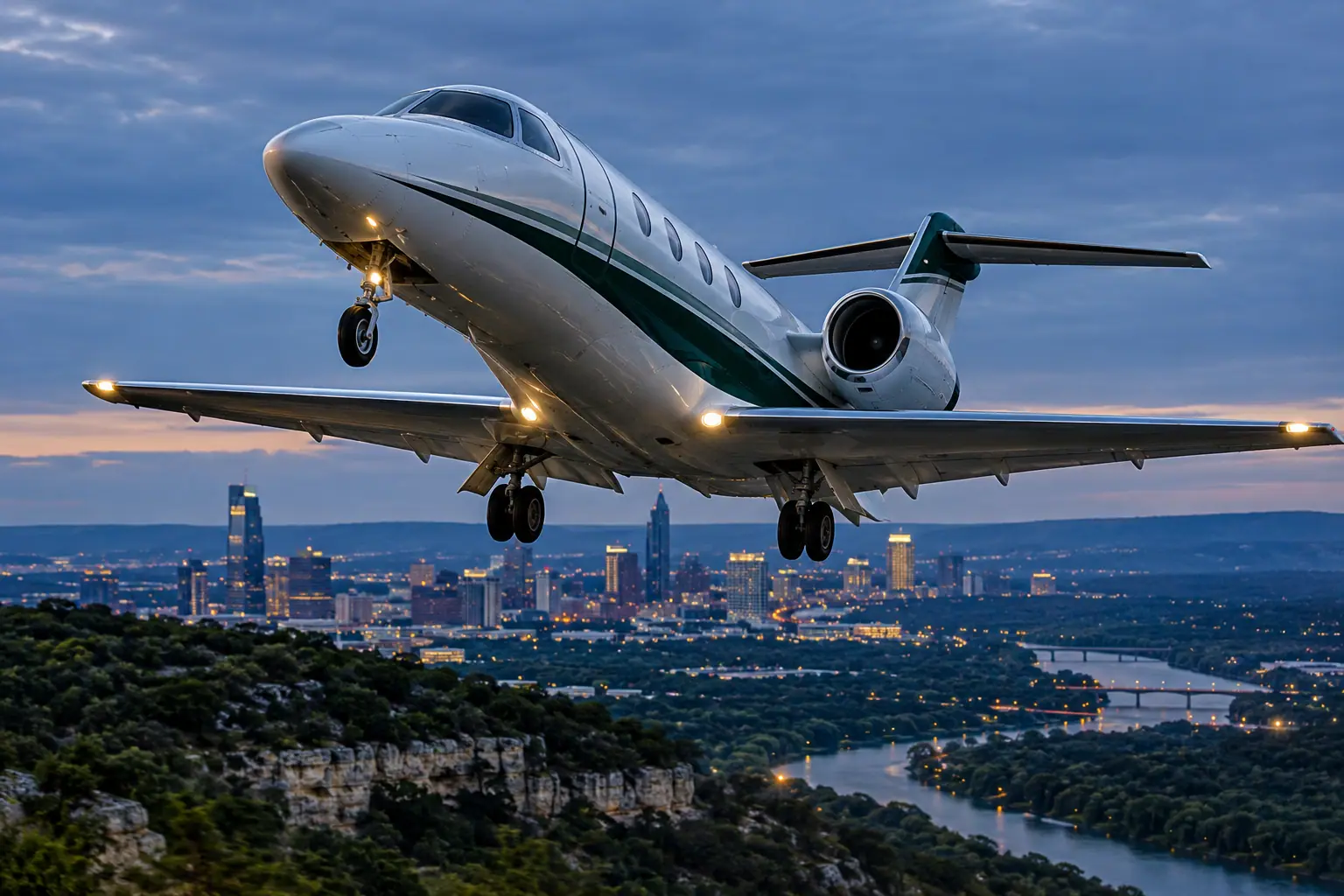
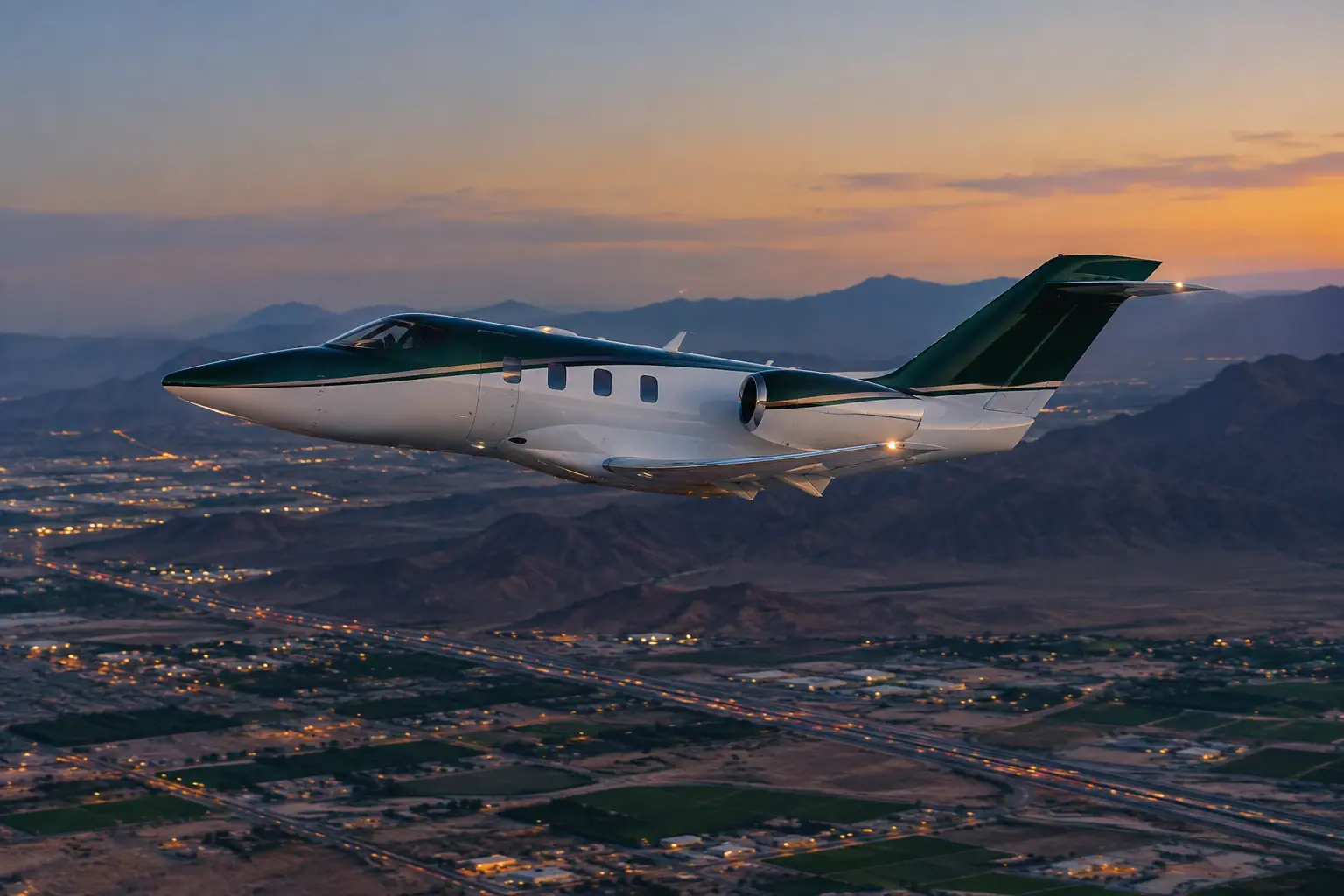
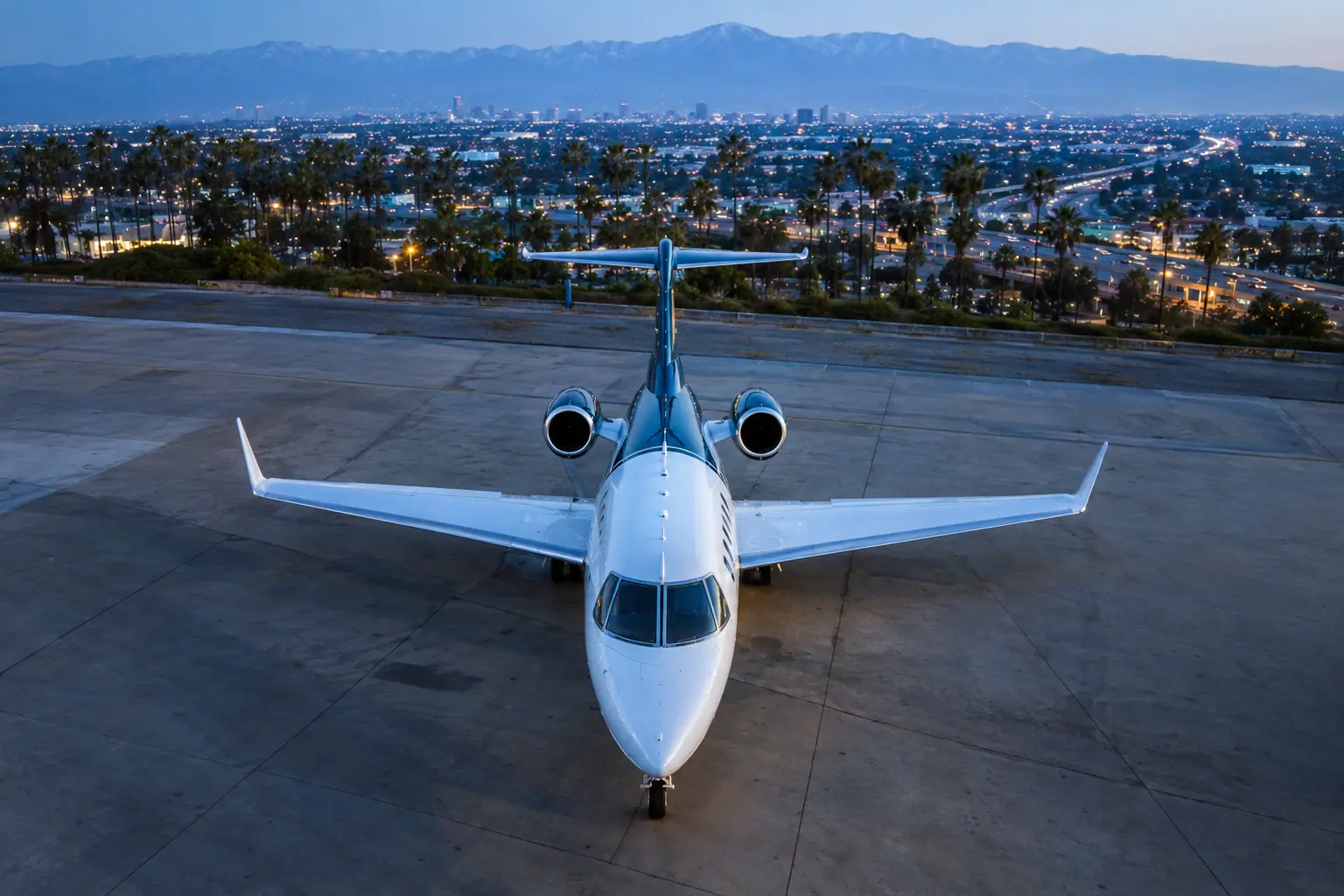
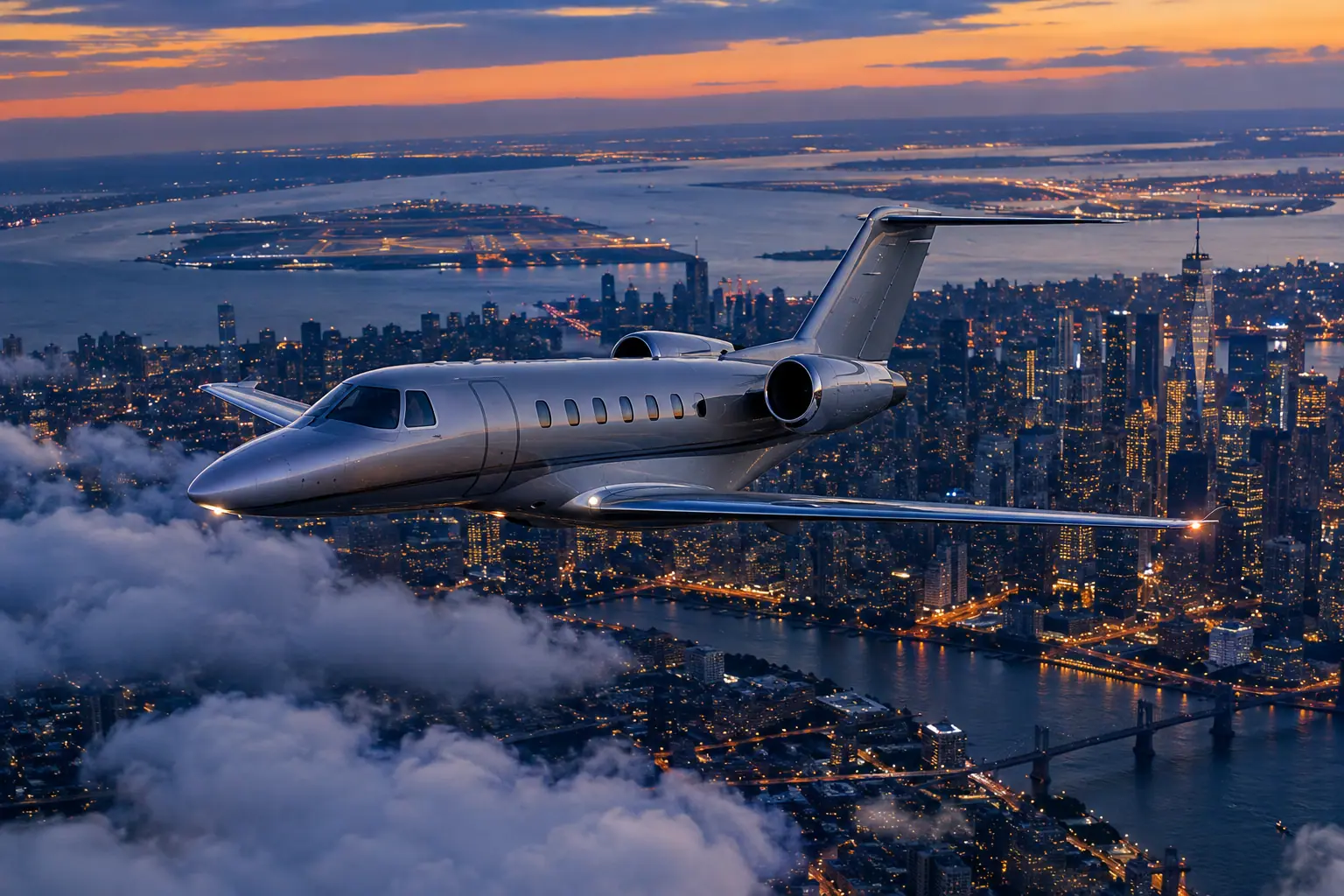
Each of these 6 private jet legs runs 505 to 1,479 nautical miles, with one-way light jet estimates from $6,000 to $27,000.
Questions about this airport
What does a private jet Denver charter cost?
There is no single rate, because the estimate depends on aircraft category, route and day. A light jet on a short regional leg sits well below a heavy jet flying coast to coast. Quotes are estimates and exclude items like deicing, crew overnight and international fees. Ask for the total and the exclusions in writing before you compare two operators.
Which airport should I use for private jet Denver flights?
It depends on where you are going and where you start. Denver International has the 16,000 ft runway and the airline volume. Centennial, at 5,885 ft elevation with a 10,001 ft runway, suits the southern suburbs. Rocky Mountain Metropolitan, at 5,673 ft with 9,000 ft of runway, serves Boulder and the northwest. Pick by ground drive first.
How does altitude affect a flight out of Denver?
Denver International sits at 5,431 ft, and density altitude rises with heat. July averages 8,700 ft, with a peak near 9,200 ft at 115F. Thin air reduces lift and engine thrust, so operators may limit passengers, bags or fuel on a light jet. A midsize or heavy aircraft usually absorbs the penalty with less fuss.
Who operates the aircraft on a private jet Denver trip?
The flying is done by an FAA Part 135 operator that holds operational control and answers for the crew, the maintenance and the schedule. We arrange the trip as your agent, and air charter brokers work under DOT Part 295 rules. Ask to see the operator's certificate and insurance before you book, and confirm who you call if a flight delays.
Can I fly internationally from Denver on a charter?
Yes, but CBP clearance has to be arranged at a port that processes international arrivals, and not every metro field does. If your trip crosses a border, then build the clearance into the plan and allow time on the return. Passport and customs details belong in the quote conversation, not the day of departure.
When is the best time of year to charter from Denver?
Spring and fall give the friendliest performance. April density altitude reads about 6,900 ft and October about 7,200 ft, against 8,700 ft in July. Winter brings deicing and storm delays but easier takeoff numbers. If your dates are fixed, then match the aircraft to the season rather than the other way around.